The case for it
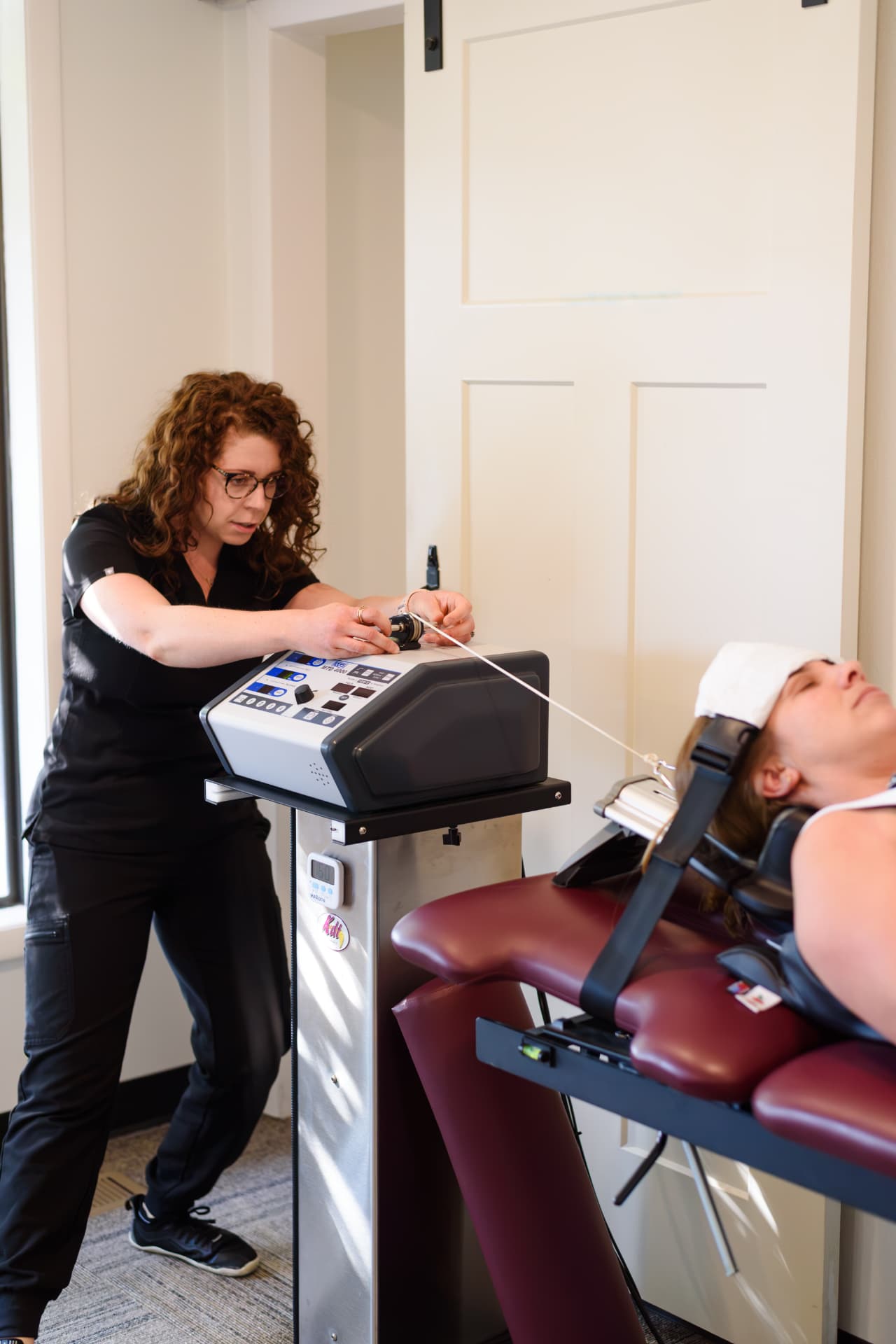
The mechanism is physiologically sound: traction lowers pressure inside the disc, and lower intradiscal pressure reduces the mechanical load on pinched nerve material and encourages fluid exchange. Clinical studies and decades of use show many patients with herniated discs and radiculopathy improve on traction-based protocols — especially as part of a plan that includes chiropractic care and rehab.
It's also conservative in the truest sense: no incisions, no injections, no medication. For someone weighing a disc herniation against surgical consultation, a supervised trial of decompression is a low-regret step in between.
The honest limitations
High-quality, large-scale trials specifically on motorized decompression tables are limited — much of the broader evidence base is on traction generally, and study quality varies. Anyone claiming decompression is 'proven' to regrow discs is ahead of the science.
Outcomes also depend heavily on selection. Decompression helps disc- and nerve-driven pain; it does little for pain driven by muscles, hips or non-spinal causes. This is why a real exam matters more than the machine: the therapy works when it's pointed at the right problem.
Who tends to do best
- Herniated or bulging disc confirmed by exam or imaging
- Leg or arm symptoms that match a nerve root pattern
- Pain that worsens with sitting and loading
- No contraindications (hardware at the level, severe osteoporosis, pregnancy, aneurysm)
- Willingness to pair table time with rehab and activity changes
How to judge it for yourself
The fairest test is a defined trial: a clear diagnosis, a set number of sessions, and objective checkpoints. If nothing has shifted by mid-plan, a good clinic says so and refers on — rather than selling you another package. That's the standard this site argues for, and the standard to hold any provider to.
Common questions
What success rate does decompression have?
Published figures vary widely depending on the condition treated and study quality, so a single number would be misleading. What can be said honestly: well-selected disc and nerve-root patients frequently improve, and poorly selected patients don't. The exam is what protects you from the second group.
Is decompression better than physical therapy?
They're not competitors — decompression addresses disc pressure while PT builds the strength and movement patterns that keep it from returning. The strongest plans use both.
Why do some doctors dismiss decompression?
Mostly because of the thin large-trial evidence and some overmarketing by table manufacturers in the 2000s. A fair reading is that it's a reasonable conservative option for the right patient — not a replacement for surgery when surgery is genuinely indicated.