Elevation Spine Center approach
The Murray Protocol: why not every decompression is the same
Technology matters — but the doctor's plan, the diagnosis behind it, and the way the program is progressed matter more. The Murray Protocol is how Elevation Spine Center matches spinal decompression to the patient, not the patient to the machine.
What makes the protocol different
Imaging-first decision making
The protocol starts with a review of MRI, X-ray, and exam findings. Decompression is not applied generically; it is matched to the level, direction, and severity of the disc problem.
Segment-specific force and angle
Lumbar and cervical cases are set up differently. The pull angle, hold time, and release cycle are chosen for the spinal level being treated, not copied from a default program.
Measured progression
Forces are introduced low and increased only as the patient tolerates them. Symptoms, range of motion, and functional goals are tracked so the plan evolves instead of repeating blindly.
Integrated supporting care
Decompression is paired with the chiropractic, soft-tissue, and rehabilitation recommendations that help the spine keep its gains between sessions.
Why technology alone isn't enough
The table is only a tool
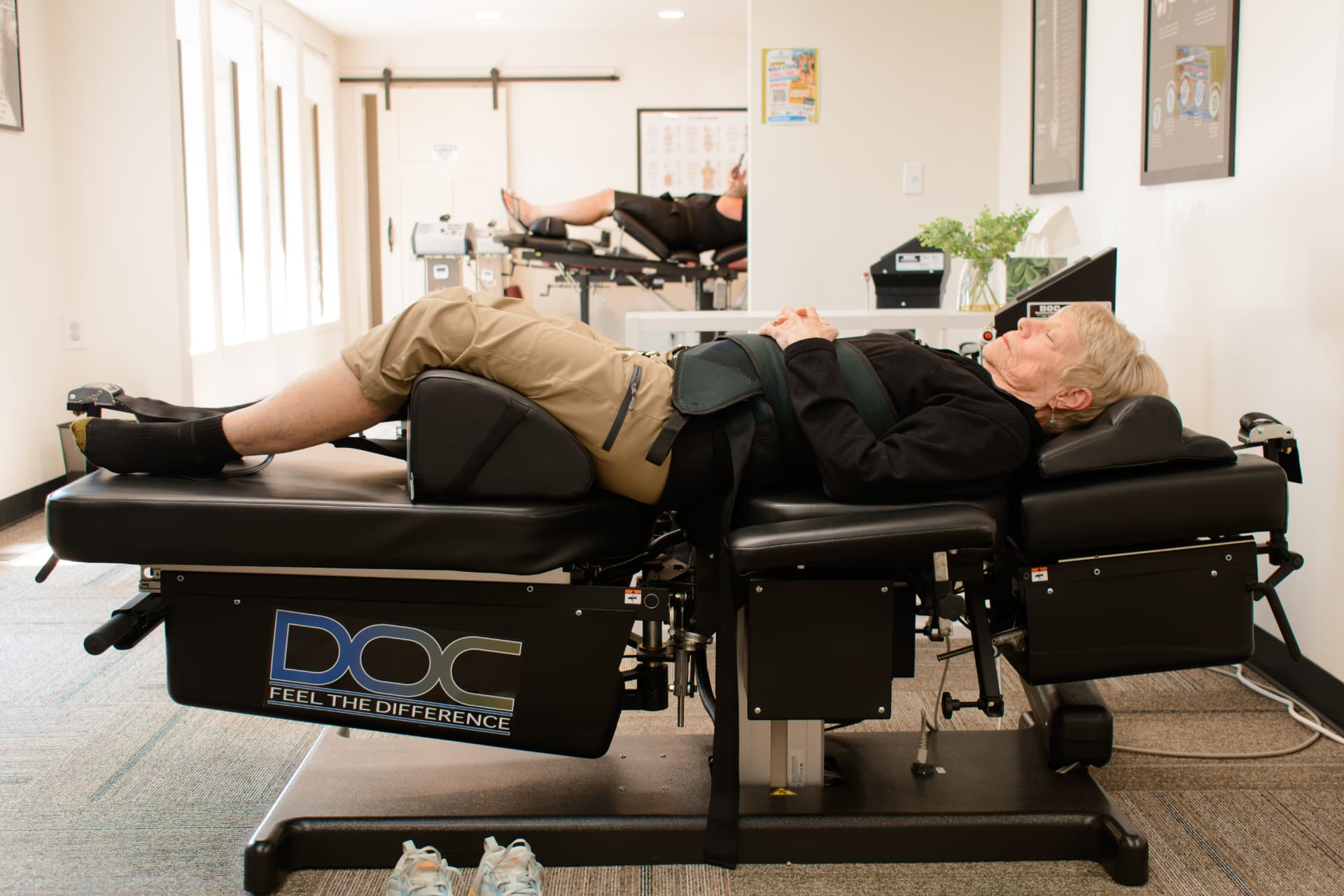
A modern decompression table gives precise, computerized traction. But the same table can produce very different outcomes depending on who sets the protocol, how the patient is positioned, and whether the plan is adjusted over time.
Generic protocols miss the diagnosis
Some providers run every patient through the same program. A herniated disc at L5-S1, cervical radiculopathy, and stenosis all respond to different forces, frequencies, and setups.
Contraindications must be ruled out first
Not everyone is a candidate. Prior fusion, severe osteoporosis, unstable spondylolisthesis, and certain abdominal or vascular conditions change whether decompression is appropriate. That screening is part of the protocol.
Technology without a plan is just traction
The science behind spinal decompression is in the controlled, repeated unloading of a specific segment. Without a diagnosis-driven plan and regular reassessment, it becomes a generic stretch rather than a targeted therapy.
What a Murray Protocol plan looks like
- 01
Consultation and imaging review
Your history, symptoms, and imaging are reviewed to confirm that decompression is appropriate and to identify the exact level to treat.
- 02
Baseline exam
Range of motion, neurological signs, and functional limitations are recorded so progress can be measured objectively rather than guessed.
- 03
Customized decompression setup
The table, harness position, pull angle, and force are selected for your diagnosis. The first sessions are conservative to see how the tissue responds.
- 04
Reassessment and adjustment
The plan is adjusted based on how you respond. If improvement stalls, the provider changes force, frequency, positioning, or adds supportive care.
- 05
Transition to maintenance or rehab
As symptoms improve, sessions space out and the focus shifts to stabilization so the results last after the active phase ends.
Find out if you're a candidate for decompression
Elevation Spine Center offers a consultation and exam in Bend to review your imaging, symptoms and history before any table time is scheduled.