
The general pattern
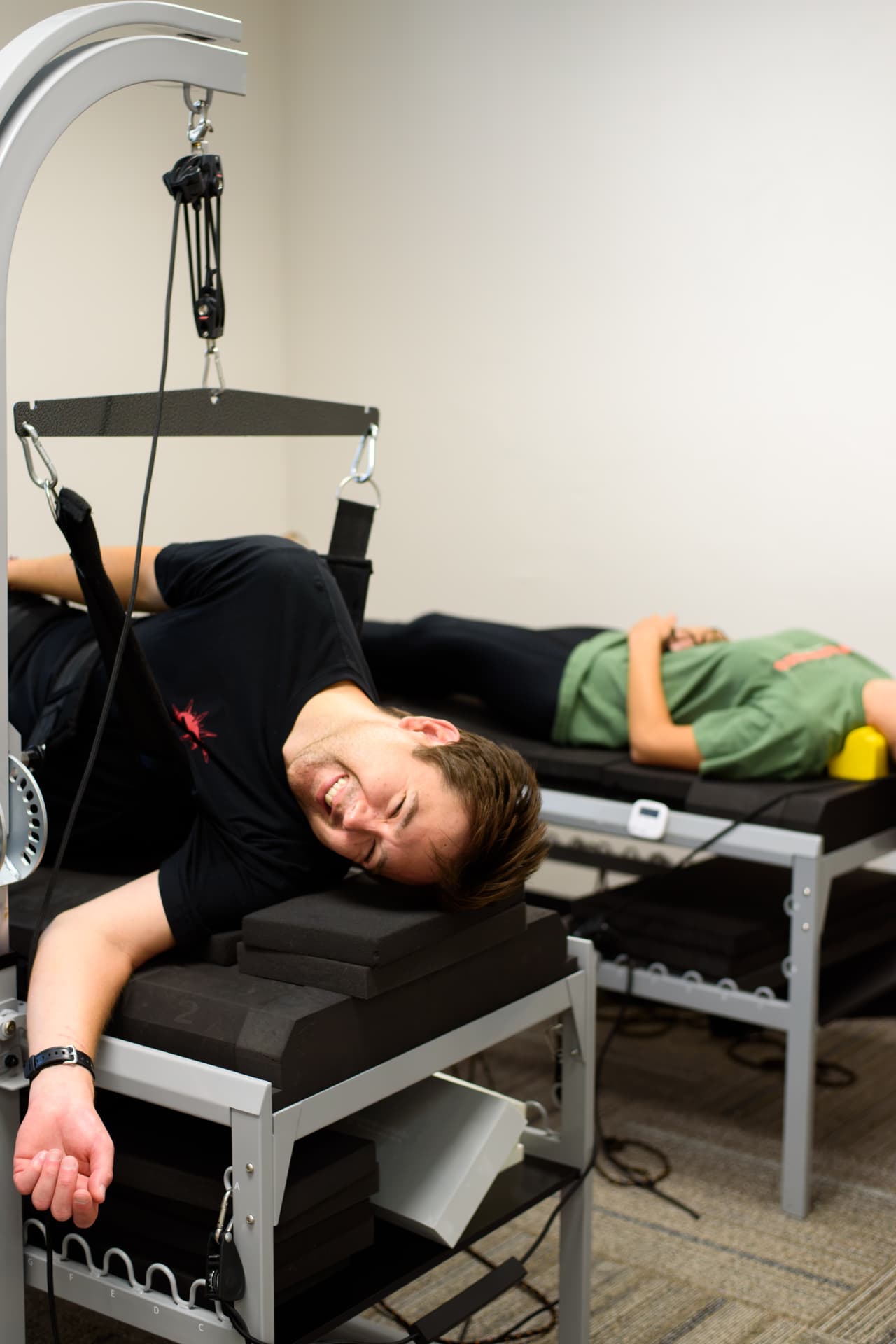
Non-surgical decompression is most often delivered in chiropractic clinics, and insurers vary widely in how they classify it. Some plans process it under traction or physical medicine benefits; others consider the specialized decompression table a non-covered service and cover only the surrounding care — the exam, adjustments and therapies.
The practical result: the covered portions of your plan are billed to insurance, and the decompression table time itself is frequently a cash service. Clinics that do this transparently will tell you exactly which is which before you start.
Medicare and Medicaid
Medicare covers chiropractic manipulation but generally does not pay for motorized decompression therapy as a distinct service. Oregon Health Plan coverage is similarly limited. If Medicare is your primary coverage, expect decompression to be a cash service and ask for the plan's full price in writing — reputable clinics provide it without being asked twice.
The HSA/FSA advantage
Spinal decompression for a diagnosed condition is a qualified medical expense, meaning HSA and FSA dollars can pay for it with pre-tax money. For many patients that effectively discounts the plan by their marginal tax rate — worth factoring into any cost comparison.
Questions to ask before starting
- Which parts of my plan will you bill to insurance, and which are cash?
- What is the total cash price of the full plan, in writing?
- Are payment plans available, and is there a per-session option?
- Do you accept HSA/FSA cards?
- What happens to the plan cost if I improve faster or slower than expected?